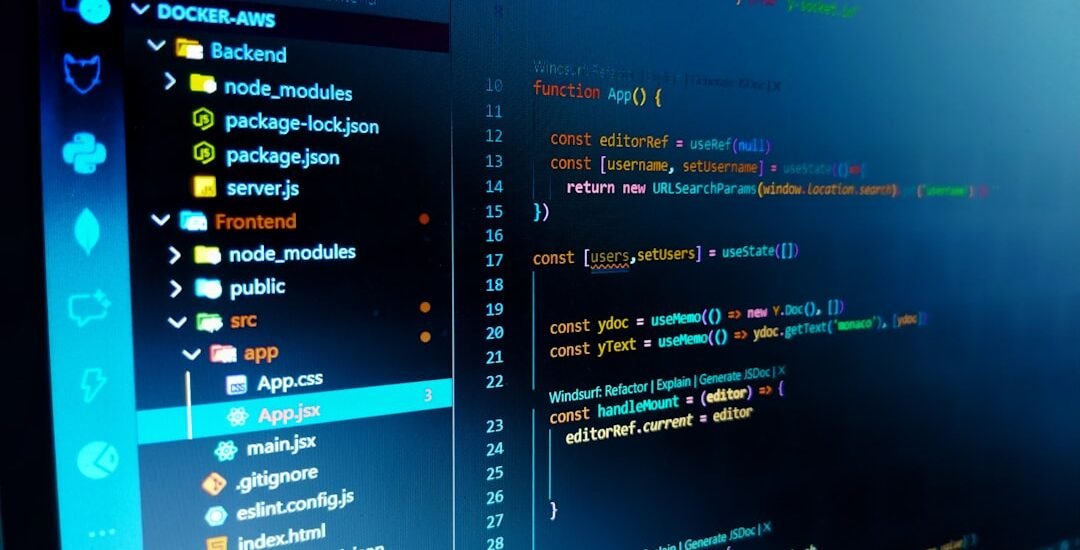
Becoming a full stack MERN developer is more than just learning four technologies. It’s about understanding how they interconnect to build dynamic, scalable applications. The MERN stack—MongoDB, Express.js, React, and Node.js—powers countless modern web platforms, from e-commerce sites to real-time dashboards. For developers aiming to deliver end-to-end solutions, this path offers a clear advantage. But the journey requires deliberate practice, not just passive consumption of tutorials. Let’s break down the most accurate route to mastery, step by step.

Building a Solid Foundation in JavaScript
Before diving into the MERN stack, you need JavaScript fluency. This isn’t just about syntax—it’s about understanding core concepts like closures, promises, async/await, and the event loop. Without this foundation, frameworks like React and Node.js will feel like black boxes. Start by building small projects: a to-do list app, a weather dashboard, or a simple calculator. Use vanilla JavaScript to manipulate the DOM, handle events, and fetch data from APIs. Once you’re comfortable, explore ES6+ features like arrow functions, destructuring, and modules.
A common mistake is jumping straight into React without mastering the underlying language. I’ve seen developers struggle with state management because they didn’t grasp how closures work. Dedicate at least two months to pure JavaScript. Practice on platforms like LeetCode or Codewars to sharpen problem-solving skills. Also, learn how to debug effectively using browser developer tools. This foundation will make every subsequent step smoother. For a deeper dive into interactive components, check out this tutorial on creating a simple toggle tab using HTML, CSS, and JavaScript.
Mastering the Backend: Node.js and Express.js
With JavaScript under your belt, shift focus to the backend. Node.js allows you to run JavaScript on the server, while Express.js simplifies routing and middleware. Start by setting up a basic server that handles GET and POST requests. Build a RESTful API for a blog or a note-taking app. Learn how to manage environment variables, handle errors, and implement authentication using JWT or sessions.
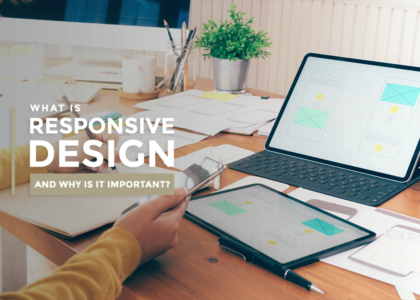
One practical exercise is to create an API that connects to a file system or a simple database like SQLite before moving to MongoDB. This helps you understand data persistence and CRUD operations. Pay attention to security: sanitize inputs, use HTTPS, and avoid common vulnerabilities like SQL injection (though MongoDB uses NoSQL, the principle applies). Also, explore middleware libraries like morgan for logging and cors for cross-origin requests. The goal is to build a backend that can serve data efficiently to a frontend. For inspiration on complex projects, see how responsive web development principles apply across devices.

Database Design with MongoDB
MongoDB is a NoSQL database that stores data in flexible, JSON-like documents. Start by modeling data for a simple application—say, a user profile with posts. Learn how to use MongoDB Atlas for cloud hosting and Compass for GUI management. Understand schema design: embedding vs. referencing, indexing for performance, and aggregation pipelines for complex queries. A common pitfall is over-normalizing data, which defeats MongoDB’s purpose. Instead, think in terms of how your app reads data. For example, store comments within post documents if they’re always accessed together.
Practice by building a small e-commerce backend with products, orders, and users. Use Mongoose, an ODM library, to define schemas and validate data. This will also simplify relationships between collections. Once you’re comfortable, implement pagination and search functionality. These skills are directly applicable to real-world projects, like the WordPress and PHP integrations you might encounter.
Frontend Mastery with React
React is the view layer of the MERN stack. Start with functional components and hooks—useState, useEffect, useContext. Build a simple app that fetches data from your Express API and displays it. Learn state management with React Context or Redux for larger applications. Understand how to handle forms, routing with React Router, and optimize performance with memoization and lazy loading.
A key skill is component composition: break your UI into reusable pieces. For instance, create a Card component that can display a product, a blog post, or a user profile. Test your components with tools like Jest and React Testing Library. Also, learn how to style with CSS modules, styled-components, or Tailwind CSS. The goal is to build a polished, responsive interface that works across devices. For more on design principles, read about the 11 principles of UX design from a start-up perspective.
Connecting Frontend to Backend
Now, integrate everything. Your React app should make API calls to your Express server, which queries MongoDB. Implement authentication: log in, store tokens, and protect routes. Handle loading states, errors, and empty data gracefully. Deploy your full stack app using platforms like Heroku, Vercel, or Netlify for the frontend and Render for the backend. Use environment variables to manage API URLs and secrets.
A real-world test is to build a project like a task manager or a social media clone. Include features like file uploads (using Multer), real-time updates (with Socket.io), and email notifications (via Nodemailer). This will expose you to the complexities of full stack development. For advanced techniques, explore how AI is transforming UX design to enhance user interactions.
Continuous Learning and Portfolio Building
The MERN stack evolves rapidly. Follow official documentation, join communities like the MERN Stack Developers group on LinkedIn, and contribute to open-source projects. Build a portfolio that showcases three to five projects, each with a different focus: one on data visualization, another on e-commerce, and a third on real-time communication. Write clear README files and deploy each project so recruiters can see them live. For SEO, optimize your portfolio with keywords like “React developer” and “full stack MERN developer”. Also, consider adding a blog to share your learning journey—this attracts organic traffic and demonstrates expertise. For example, document how you built a project using Tufte’s layering and separation principles to improve UX.
Stay curious. Learn about testing, DevOps, and cloud services like AWS or Docker to differentiate yourself. Attend hackathons or freelance on platforms like Upwork to gain real-world experience. The most accurate path is not a straight line—it’s a cycle of building, breaking, and refining. Start with a small project today, and iterate. What will you build first?